ai video analytics services: Compare Providers Beyond Features
AI (Artificial Intelligence) video analytics services are engagements covering video analytics software and related work, with each proposal defining what is included.
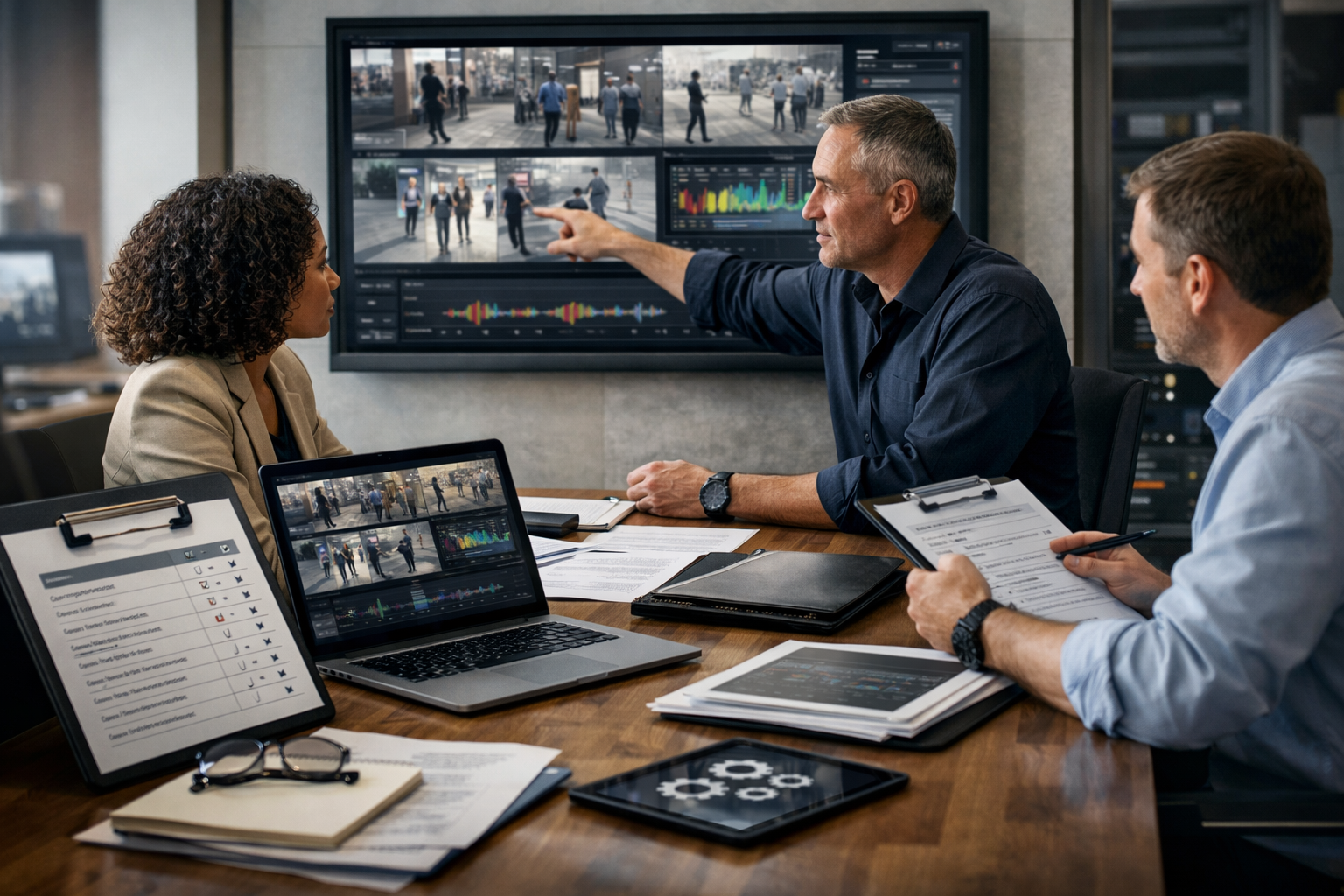
| What are ai video analytics services?AI (Artificial Intelligence) video analytics services are engagements covering video analytics software and related work, with each proposal defining what is included. They involve configuring cameras and event rules, testing connections and alert delivery, training operators, and assigning maintenance and review responsibilities according to the agreed scope. Evaluation follows an event through footage review, alert delivery, and an operator’s recorded decision under agreed test conditions. Comparing scope, evidence, ownership, support, and data-control terms helps your team distinguish purchased work from buyer responsibilities and build a documented provider shortlist. |
Comparing AI video analytics services is difficult when a convincing software demonstration leaves the engagement unclear. Seeing an event detected on screen does not establish who configures the system, connects alerts to existing tools, trains operators, or maintains the setup after launch.
This guide helps security, IT, and procurement teams compare proposals beyond feature lists. It separates purchased work from buyer responsibilities, shows what evidence to request, and identifies support and data-control questions to resolve before shortlisting providers. The goal is a proposal your team can evaluate and hold accountable.
What should AI video analytics services include?
A proposal should separate software access, implementation, and ongoing work. Mark each item as included, optional, or excluded:
• Licensing: Identify components, permitted usage, renewal terms, and fees separately from implementation costs.
• Configuration: Specify camera setup, event rules, initial tuning, and approval responsibilities.
• Integration: Name connected systems, required information, testing, and any custom work.
• Training: Define operator and administrator instruction, materials, and handover requirements.
• Ongoing service: Describe maintenance, troubleshooting, recurring charges, and separately priced changes.
This scope connects the demonstration to the work being purchased. For background on the underlying technology, see AI video analysis.
How do software, integration, and managed-service proposals differ?
These are possible engagement structures, not fixed categories. Every responsibility below needs confirmation; the proposal label does not establish who does the work.
| Responsibility | Software-led proposal: confirm | Integration-led proposal: confirm | Ongoing managed service: confirm |
| Configuration | Who sets rules and approves settings? | Who configures connected workflows? | Who performs and approves ongoing tuning? |
| Infrastructure | Who supplies compute, storage, and network access? | Who checks infrastructure and connection readiness? | Who hosts and maintains infrastructure? |
| Operator involvement | Who trains users and reviews alerts? | Who manages handover and workflow testing? | Does the provider review alerts, or does the buyer? |
| Support boundaries | Which software issues are covered? | Who diagnoses faults across systems? | What coverage and escalation apply? |
| Exclusions | Are setup and training excluded? | Are hardware and custom work excluded? | Are incident response and changes excluded? |
Proposals may combine these structures. Support for a failed connection does not necessarily include daily alert review, so identify who handles each task.
What evidence should a video analytics provider show?
Evaluate the selected workflow from observable event to operator action. Agree on test conditions and acceptance criteria before the demonstration, including relevant camera views and lighting.
Consider a hypothetical boundary-crossing test: a person enters the defined area, footage is available for review, an alert reaches the designated queue, and the assigned operator records a decision. Check whether the footage and timestamps support that decision. Include similar activity that should not trigger an alert, and record missed events, unwanted alerts, and delivery timing.
An available feature is not an accepted operational result. Document the tested conditions, results, exceptions, and anything left untested.
Bring your requirements checklist to a discussion with AvidBeam about the workflow and evidence you need to evaluate.
Who owns deployment, tuning, and operator training?
A statement of work describes the agreed tasks, deliverables, dependencies, exclusions, and acceptance conditions. For each task, record the responsible party, sign-off authority, and evidence of completion:
• Camera access: Assign authorization and connection testing; retain the test record.
• Infrastructure: Assign compute, storage, and network readiness; document unresolved issues.
• Configuration approval: Name tuning and approval owners; retain settings and test results.
• Integrations: Assign each connection an owner; verify delivery of the expected information.
• Operator training: Name trainers and users; demonstrate alert review and escalation.
• Alert review: Assign daily validation and response duties; rehearse the handoff.
• Post-launch changes: Define approval, pricing, retesting, and restoration of previous settings.
Give overlapping tasks a lead rather than leaving ownership as “shared.” Explore business video analytics options for related reading, not confirmation of compatibility or delivery responsibilities.
Which support and data-control terms need written answers?
Separate requested contract commitments from available product controls. Resolve both before purchase.
Support coverage and escalation
What hours, time zones, and contact channels apply? Distinguish an initial response commitment from a commitment to restore service, and identify who leads troubleshooting across cameras, networks, analytics, and receiving systems.
Who approves maintenance, performs updates, and retests integrations? Record escalation paths, excluded work, and authorization requirements for additional charges.
Data access and exit terms
Who can view footage, export records, or change settings, and how is access revoked? Specify retention settings, deletion responsibilities, and backup handling rather than relying on defaults.
Request sample exports and confirm formats, costs, and usable contents. Address termination notice, access cutoff, handover assistance, and remaining data or backups.
Have security and legal teams review organization-specific requirements. For wider procurement context, see video analytics provider considerations.
How should you build a defensible provider shortlist?
Screen mandatory requirements before scoring preferences. Apply the same scorecard to every proposal:
• Mandatory requirements: Mark each as confirmed, unmet, or untested.
• Evidence quality: Retain witnessed results, conditions, and exceptions.
• Ownership clarity: Flag tasks without an accepted owner.
• Support fit: Compare coverage and exclusions with operating needs.
• Unresolved risks: Assign open questions an owner and next action.
A reusable worksheet entry could read:
Requirement: alert reaches the designated queue. Evidence needed: witnessed delivery test. Owner: named integration lead. Status: untested. Next action: schedule verification.
Set buyer-defined weights for preferences before scoring. Keep mandatory requirements separate so attractive features cannot offset a missing requirement, and retain the evidence supporting the shortlist.
Frequently asked questions
Are services different from software?
Yes. Software access is distinct from setup, integration, training, and ongoing assistance; the proposal must define what is included.
Can existing cameras be reused?
Possibly. Test stream access and footage suitability under agreed operating conditions before approving reuse.
Who tunes alerts?
Name initial and ongoing tuning owners, plus whoever approves changes and verifies results.
What integrations need testing?
Test required camera connections, alert delivery, and receiving systems through the operator’s review workflow.
What should support include?
Specify coverage, escalation, maintenance, exclusions, and ownership of problems spanning multiple systems.
What belongs in the contract?
Include scope, owners, acceptance criteria, fees, support, change procedures, data-handling responsibilities, and exit terms.
Discuss your requirements with AvidBeam
Bring one priority workflow, your camera and integration requirements, and unresolved scope questions to a discussion with AvidBeam. Use these materials to clarify the proposed engagement and what still needs verification.
 Article
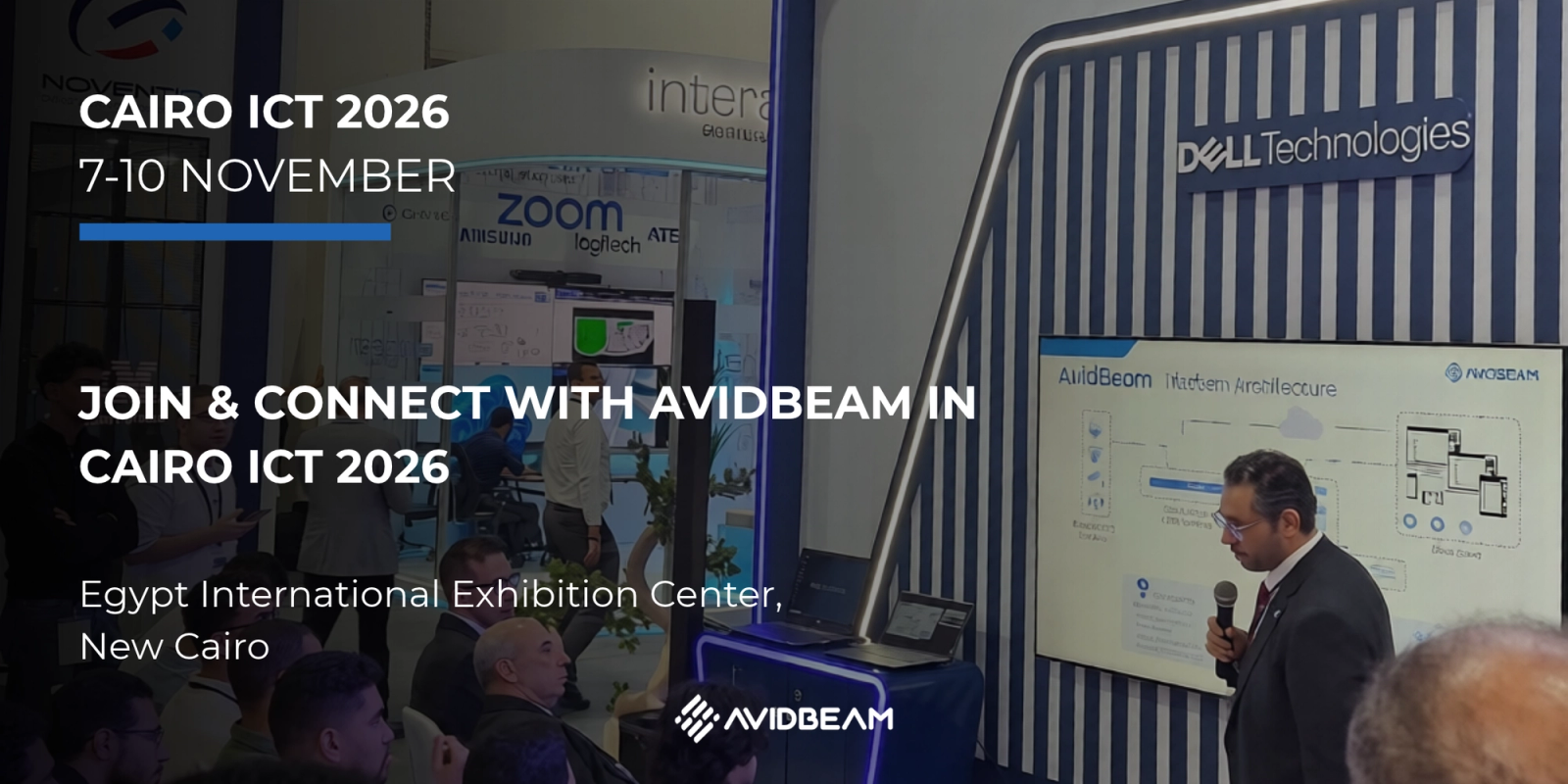
AvidBeam Participates in Cairo ICT 2026
AvidBeam Technologies will participate in Cairo ICT 2026, taking place from November 7 to 10, 2026, at the Egypt International Exhibition Center in New Cairo.
 Article
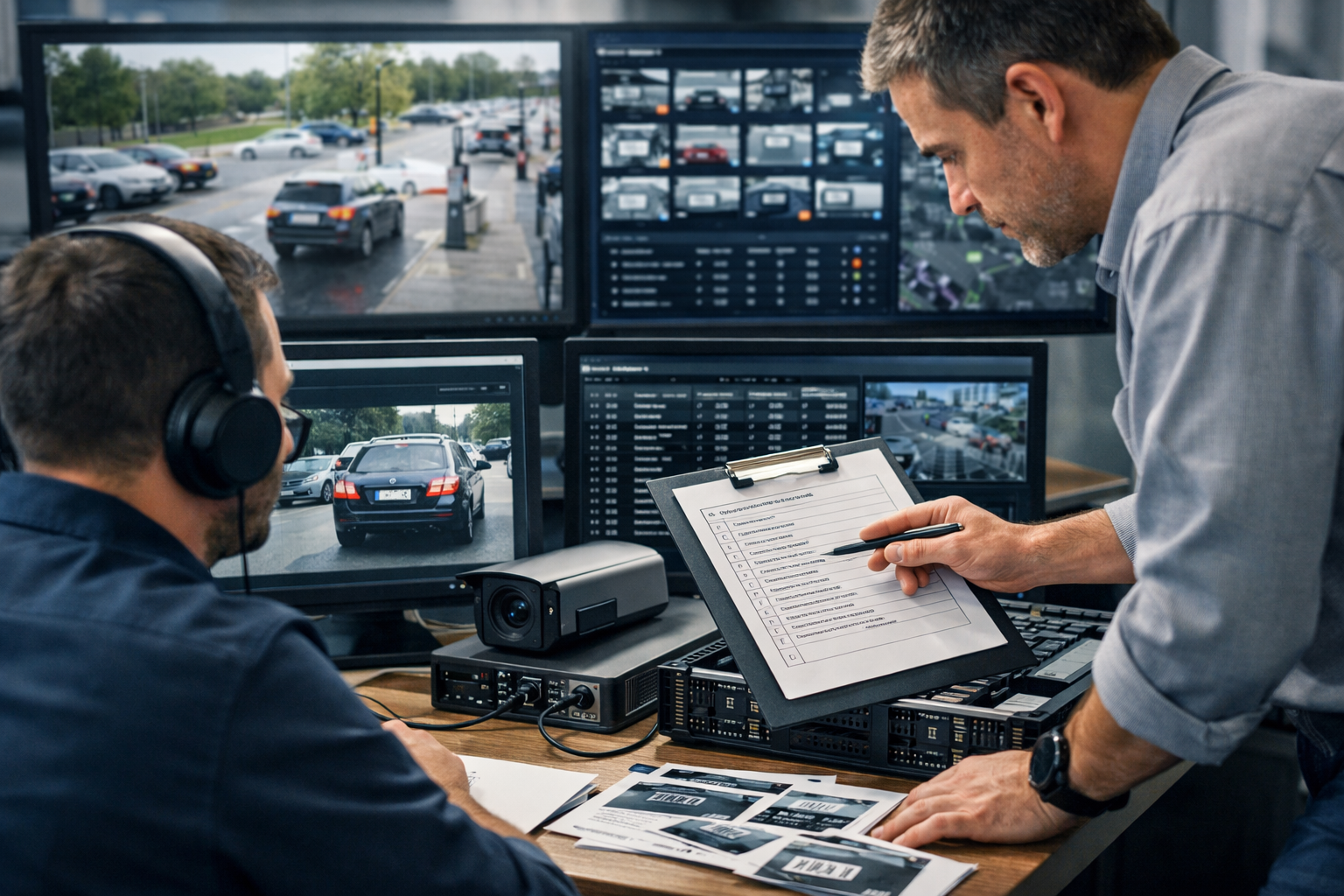
lpr data analytics solutions: Prove Reliability Before You Buy
LPR (License Plate Recognition) data analytics solutions convert captured vehicle plate information into machine-readable text and support workflows for delivering and reviewing vehicle records.
AI Vision System: What It Detects and How It Works | Avidbeam
Standard cameras record. An AI vision system interprets. That distinction drives the entire shift from passive surveillance to active intelligence, and it explains why organizations across security, retail and transportation
Experience AI Video Analytics
on your existing cameras.
Start with a pilot deployment and scale seamlessly as your operational requirements evolve.